
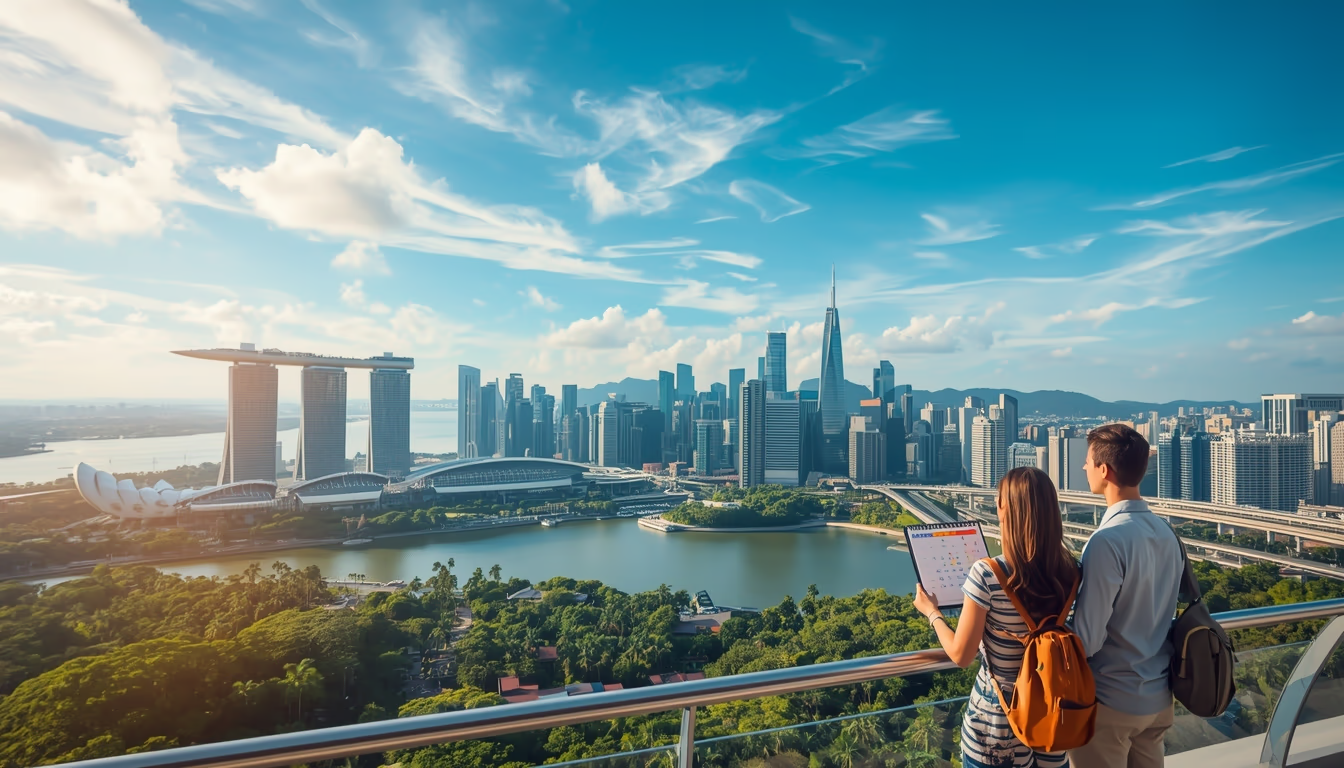
Planning a trip to Singapore? Picking the right month can save you money, help you dodge heavy rain, and make your holiday feel smooth instead of stressful. The best time to visit in Singapore is from February to April when skies stay clear, humidity feels lower, and you can enjoy beaches, city walks, and outdoor markets without constant rain breaks. If saving cash matters most, aim for September to November when flight and hotel prices drop, though you may see short afternoon showers.
Singapore sits almost on the equator, so it stays warm (27°C to 32°C) and humid all year round. You won’t find winter coats or snow here. Instead, you get two monsoon periods that bring more rain, and two drier stretches with more sun. Your choice of travel dates affects three big things: how much rain you face, how crowded places feel, and how much you pay for flights and rooms.
This guide walks you through every month, breaks down budget tricks, and answers real questions travelers ask. You’ll learn when to visit Sentosa’s beaches, when to explore nature trails, and when to avoid peak prices. Whether you travel with kids, on a tight budget, or just want the best weather, this 2026 checklist gives you clear, practical advice to plan a smart trip.
Why Your Travel Dates Matter More Than You Think?
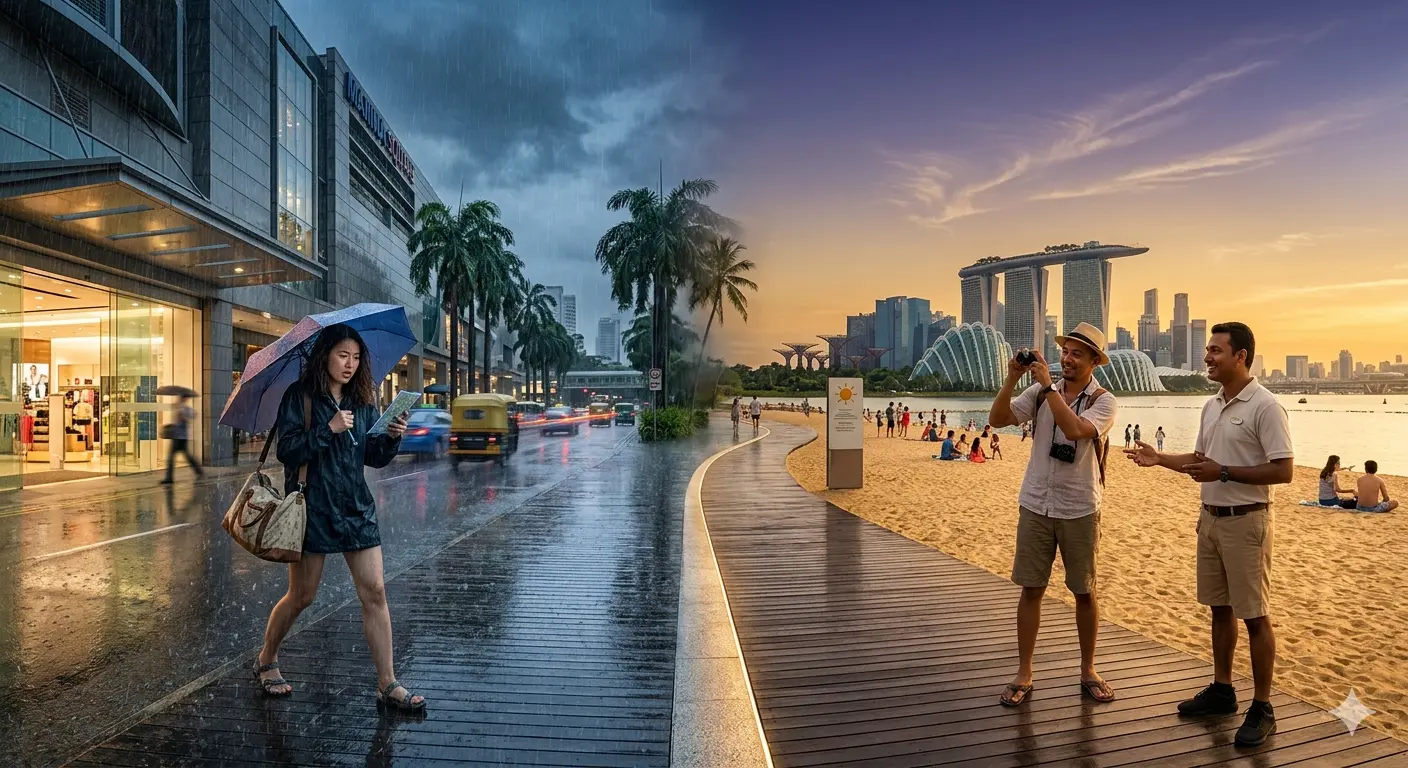
Many first-time visitors assume Singapore works like Europe or North America, with clear summer and winter seasons. It doesn’t. The city-state stays warm and sticky year-round, but rain patterns shift enough to change your daily plans.
Pick the wrong month, and you could spend half your trip hiding in malls while heavy rain pours outside. Choose the right window, and you’ll enjoy sunny beach days, clear city views, and comfortable walks through gardens and neighborhoods.
Your travel dates also hit your wallet hard. Flight prices can double between low and peak season. Hotel rates in Marina Bay or Sentosa jump 40–60% during Christmas and Chinese New Year. Attractions feel packed during school holidays, meaning longer queues and less fun. On the flip side, visiting in quiet months means shorter lines, better photo spots, and staff who have time to chat and help.
Think about what you want most from your trip:
- Dry weather for outdoor plans? Target February to April.
- Low prices and fewer crowds? Look at September to November.
- Beach time and water sports? June to August works best.
- Festive lights and parties? December delivers, but costs more.
No single month is perfect for everyone. But knowing how weather, crowds, and prices shift helps you match your trip to your goals. The rest of this guide breaks down each period so you can pick with confidence.
You may also read :- Best Time to Visit Singapore Flyer: Day vs Night Experience
Quick Month-by-Month Snapshot at a Glance
Before diving into details, here’s a fast look at what each month offers. Use this table to narrow down your options, then read the full sections for deeper tips.
| Month | Avg High / Low (°C) | Rain Chance | Crowd Level | Best For | Budget Tip |
|---|---|---|---|---|---|
| January | 29 / 22 | Medium | High | Chinese New Year prep | Book early for CNY week |
| February | 30 / 23 | Low | Medium | Dry weather, beaches | Great value, least rain |
| March | 31 / 23 | Low | Low | Sightseeing, photos | Cheapest flights |
| April | 31 / 23 | Low-Medium | Medium | Family trips, Easter | Good hotel deals |
| May | 31 / 24 | Medium | Medium | Nature, gardens | Shoulder season prices |
| June | 31 / 24 | Medium | High | School holidays | Book 3 months ahead |
| July | 31 / 23 | Medium | High | Great Singapore Sale | Shop discounts |
| August | 30 / 23 | Medium | High | Beaches, Sentosa | Peak prices |
| September | 30 / 23 | Medium-High | Low | Budget travel | Cheapest month overall |
| October | 31 / 23 | High | Low-Medium | Culture, food | Good hotel rates |
| November | 30 / 23 | High | Low | Budget, fewer crowds | Avoid Deepavali week |
| December | 29 / 22 | High | Very High | Christmas, NYE | Most expensive |
Keep this table handy as you read. It helps you compare months side by side and spot patterns fast.
January to February: Dry Start with Festival Buzz
What the Weather Feels Like
January and February mark the dry phase of the Northeast Monsoon. February stands out as the driest month of the entire year, with less rain and more sunshine than any other time. Daytime temperatures hover around 29°C to 30°C, while nights stay pleasant at 22°C to 23°C. Humidity feels high but tolerable compared to later months. You can walk around without sweating through your shirt every five minutes.
Rain still happens, but showers tend to be short and pass quickly. You might get a 30-minute downpour in the late afternoon, then sun returns within an hour. Carry a light raincoat or small umbrella, and you’ll stay comfortable.
What Happens During These Months
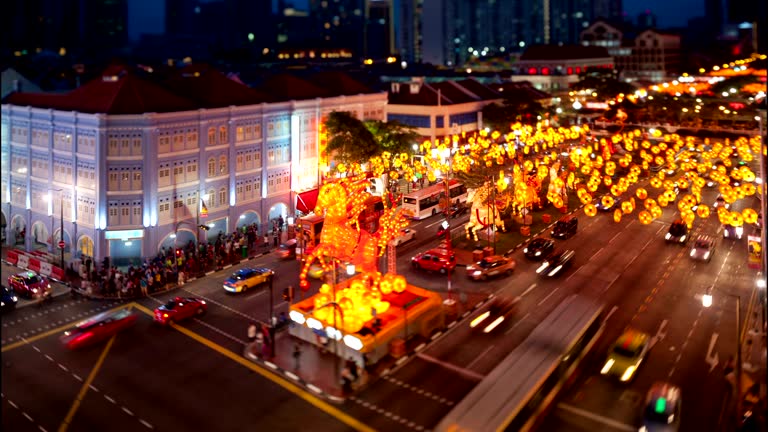
Chinese New Year dominates late January or early February (dates shift each year based on the lunar calendar). Chinatown transforms with red lanterns, street performances, and food stalls selling pineapple tarts and bak kwa (grilled pork). Hotels near Chinatown and Marina Bay fill up fast, and rates jump 30–50% during the actual holiday week. Some small shops and restaurants close for 2–3 days, but malls and major attractions stay open.
Outside the festival week, January and February feel calm. Tourist numbers drop after New Year’s Day, so you get shorter queues at Gardens by the Bay, Universal Studios, and the Singapore Zoo. Locals return to work and school, so neighborhoods feel more relaxed.
Smart Budget Moves
- Skip CNY week if you don’t need the festival: Prices spike hard, and crowds make walking through Chinatown tough. Visit in late January before CNY or in February after it ends.
- Book flights 2–3 months ahead: January fares drop after New Year’s Day. February stays reasonable unless you hit CNY dates.
- Stay in Bugis, Little India, or Kallang: These areas offer clean, safe hotels at 20–30% lower rates than Marina Bay or Orchard Road. MRT stations put you minutes from main sights.
- Eat at hawker centres: Maxwell Food Centre, Chinatown Complex, and Old Airport Road serve filling meals for SGD 5–8. You’ll save SGD 15–20 per meal compared to restaurants.
Top Things to Do
- Gardens by the Bay: Walk the Supertree Grove and Flower Dome without rain gear. Visit early morning (8–9 AM) to avoid tour groups.
- Chinatown Heritage Centre: Learn about early Chinese immigrants through restored shophouses. Combine with street food tasting at Maxwell.
- Marina Bay Sands SkyPark: Catch sunset views over the city. Book tickets online for small discounts.
- Sentosa Island: Spend a day at Siloso or Palawan Beach. Water sports like kayaking and stand-up paddleboarding run full schedules.
- Clarke Quay evening cruise: Take a 40-minute river ride to see lit-up bridges and colonial buildings.
Real Traveler Tip
A friend who visited in February 2025 said, “We landed on a Tuesday, checked into a Bugis hotel, and spent three days walking everywhere. Rain held off until day four, and even then it lasted 40 minutes. We ate at hawker centres, rode the MRT, and spent half what we budgeted.”
Verdict
February ranks as one of the best months to visit Singapore for dry weather and outdoor plans. January works well if you avoid Chinese New Year dates. Both months suit first-time visitors, couples, and solo travelers who want clear skies and reasonable prices.
March to April: Sweet Spot for Families and Sightseeing
Weather Breakdown
March and April sit between monsoons, offering low rain, warm sun, and manageable humidity. Temperatures reach 31°C during the day and 23°C at night. Rainfall stays low, especially in March, making it ideal for long days outside. You might see one or two short showers per week, but they rarely ruin plans.
Sea temperatures climb to 29°C, perfect for swimming at Sentosa or East Coast Park. Evenings feel comfortable for rooftop bars and night markets.
Crowd Patterns
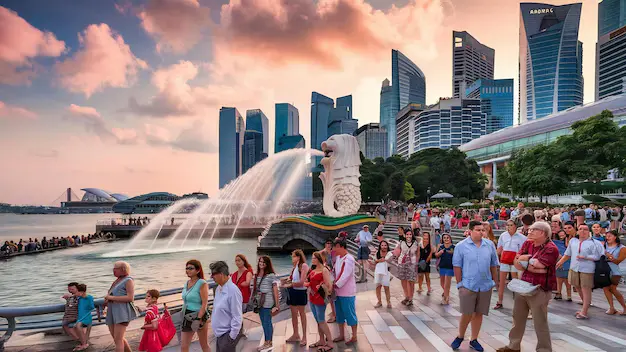
School holidays end in early March, so attractions feel quieter through mid-month. Families from India, Indonesia, and Malaysia start arriving in mid-April for Easter breaks, so expect busier zoos, Universal Studios, and beaches during that week. Overall, March ranks as the least crowded month of the year.
Budget Wins
- Cheapest flights: March often has the lowest airfares from India and Southeast Asia. Airlines drop prices to fill seats after the New Year rush.
- Hotel promotions: Look for deals in Orchard Road, Clarke Quay, and Bugis. Many hotels run “stay 3, pay 2” offers.
- Use public transport: The MRT is cheap, fast, and air-conditioned. A Singapore Tourist Pass (SGD 22 for 3 days) gives unlimited rides and pays for itself after 4–5 trips.
- Free attractions: Botanic Gardens, Marina Bay light show, and hiking trails cost nothing.
Best Activities for This Period
- City sightseeing: Walk the Colonial District, visit National Gallery Singapore, and explore Kampong Glam’s Haji Lane. Clear skies make rooftop photos shine.
- Nature trails: Hike MacRitchie Reservoir’s Treetop Walk or the Southern Ridges boardwalk. Start by 8 AM to beat heat.
- Family fun: Singapore Zoo, River Wonders, and Jurong Bird Park work well with kids. Queues stay short in March.
- Beach time: Sentosa beaches stay warm and swimmable. Rent a cabana at Siloso Beach Club for shade and drinks.
- Food tours: Join a guided hawker centre tour in Chinatown or Little India. Learn about dishes like laksa, chicken rice, and roti prata.
Family-Specific Advice
If you travel with kids, March to April hits a sweet spot. Schools are back in session, so attractions feel calm. Weather stays dry enough for outdoor zoos and beaches. Hotels offer family rooms at lower rates than June or December.
Book combo passes for wildlife parks (Zoo + River Wonders + Night Safari) to save 20–30%. These passes often include skip-the-line entry, which matters when traveling with tired kids.
Verdict
Best time to visit Singapore in April works well for families who want dry weather and school holiday access. March is the least crowded month and offers top value. Both months suit first-time visitors, culture lovers, and budget travelers.
May to June: Pre-Monsoon Warmth and School Holidays
Weather Reality
May and June bring higher humidity and the start of the Southwest Monsoon. Temperatures stay at 31°C, but rain chances rise, especially in short afternoon storms. Showers often hit between 3 PM and 6 PM, lasting 30–60 minutes before sun returns. Sea temperatures hit 30°C, perfect for swimming.
Humidity feels sticky, especially midday. You’ll sweat more walking between MRT stations. Plan outdoor time for early morning or late afternoon, and use midday for air-conditioned malls and museums.
Crowd Surge
School holidays run from late May through June across Singapore, Malaysia, India, and Indonesia. Families flood in, making attractions busy. Universal Studios, S.E.A. Aquarium, and Gardens by the Bay see long queues. Hotels in Sentosa and Marina Bay fill up fast, pushing rates up 25–40%.
Budget Strategies
- Book 3 months ahead: June is peak season for families, so flights and hotels cost more. Lock in rates by March.
- Look for combo passes: Attraction bundles (Zoo + River Wonders + Night Safari) save money and time.
- Eat at hawker centres: Meals cost SGD 5–8 versus SGD 20+ at restaurants. Lau Pa Sat, Newton Food Centre, and Tiong Bahru Market offer variety.
- Stay outside Marina Bay: Areas like Geylang, Kallang, and Tiong Bahru offer cleaner, safer hotels at 20–30% lower rates.
Top Activities
- Sentosa and beaches: Siloso, Palawan, and Tanjong beaches offer swimming, kayaking, and beach clubs. Visit on weekdays to avoid weekend crowds.
- Water parks: Adventure Cove Waterpark and Wild Wild Wet provide cool fun. Book skip-the-line tickets online.
- Indoor attractions: Visit ArtScience Museum, Science Centre Singapore, or Jewel Changi’s indoor waterfall. These spots work well during afternoon rain.
- Night markets: Lau Pa Sat and Newton Food Centre come alive after rain. Try satay, chili crab, and fresh sugarcane juice.
What Travelers Say
A family from Delhi who visited in June 2025 shared, “We woke up at 7 AM, hit the Zoo by 9, and finished by 1 PM before rain started. Afternoons we chilled at Jewel Changi or our hotel pool. Evenings we ate at hawker centres. It worked because we planned around rain.”
Verdict
Good for beach lovers and families, but expect higher prices and short rain showers. Not the cheapest time, but still enjoyable with smart planning. Avoid if you want dry weather all day.
July to August: Peak Sales and Beach Season
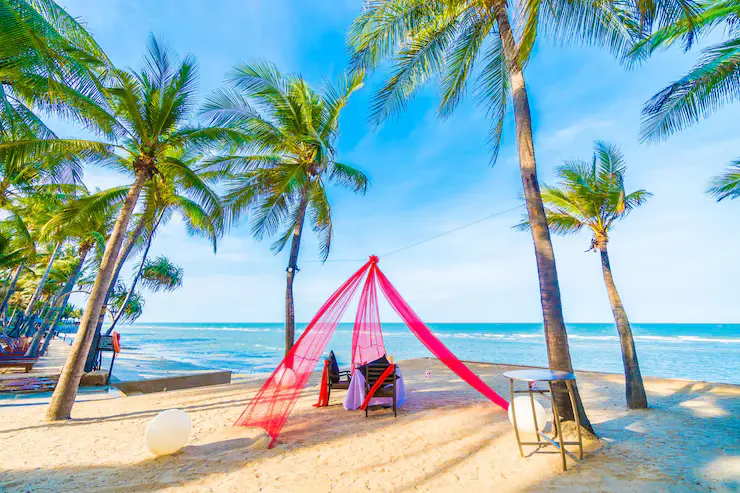
Weather Snapshot
July and August fall within the Southwest Monsoon, but rain stays moderate. Temperatures average 30°C to 31°C, with humidity feeling high. Sea temps remain warm at 29°C, ideal for water sports. Showers tend to be short and predictable, often hitting late afternoon.
What Makes These Months Special
Great Singapore Sale runs from late June through August. Shops across Orchard Road, VivoCity, and malls offer 50–70% discounts on fashion, electronics, and souvenirs. If shopping ranks high on your list, this is the best window.
School holidays continue in July for many countries, so families still travel. Beaches and water parks stay busy, especially on weekends. By late August, crowds ease as schools reopen.
Budget Tips
- Shop smart: Wait for mid-sale periods (mid-July) for best discounts. Early July sees fresh stock but fewer markdowns.
- Stay outside Marina Bay: Areas like Geylang, Kallang, and Tiong Bahru offer cheaper hotels with good MRT access.
- Use free attractions: Botanic Gardens, Marina Bay light show, and hiking trails cost nothing.
- Eat at food courts: Malls like ION Orchard and Ngee Ann City have air-conditioned food courts with meals for SGD 8–12.
Best Activities
- Shopping: Hit ION Orchard, Takashimaya, and Mustafa Centre for deals. Mustafa stays open 24 hours and sells everything from spices to electronics.
- Beach clubs: Visit Tanjong Beach Club or Siloso Beach Resort. Book cabanas in advance for shade and service.
- Cultural walks: Explore Little India, Kampong Glam, and Chinatown. Early mornings feel cooler and less crowded.
- Nightlife: Clarke Quay and Robertson Quay offer riverside dining and bars. Happy hour deals run 5–8 PM.
Verdict
Best time for Sentosa and beaches if you love sun and water sports. Also the best time for shopping, but expect peak prices and crowds. Works well for shoppers, beach lovers, and travelers who don’t mind humidity.
September to October: Budget Season with Cultural Vibes
Weather Truth
September and October mark the transition between monsoons. Rain chances rise, especially in October, but showers remain short. Temperatures stay warm at 30°C to 31°C. Humidity feels high but tolerable. You might see rain 3–4 times per week, but it rarely lasts more than an hour.
Crowd Drop
After school holidays end, tourist numbers fall sharply. Attractions feel quiet, hotels drop rates, and restaurants have open tables without reservations. This is the lowest crowd period of the year alongside March.
Cultural Highlights
- Mid-Autumn Festival (September): Lantern displays light up Chinatown and Gardens by the Bay. Kids carry paper lanterns, and bakeries sell mooncakes.
- Deepavali (October/November): Little India glows with lights, rangoli art, and street markets selling sweets and sarees. Avoid the actual festival week if you want low prices, as hotels spike 20–30% for 3–4 days.
Budget Wins
- Cheapest months: September and October offer the lowest flight and hotel rates of the year. You can save 20–30% compared to peak season.
- Avoid Deepavali week: Prices spike for 3–4 days during the festival. Travel before or after it for best deals.
- Grab promotions: Ride-hailing apps offer discounts during off-peak hours. Use Grab instead of taxis for 15–20% savings.
- Free walking tours: Join tip-based tours in Chinatown, Little India, and Kampong Glam. Guides work for tips, so you pay what you feel.
Top Activities
- City sightseeing: Walk Marina Bay, visit Merlion Park, and explore museums without crowds. Photos look cleaner without tourists in the frame.
- Nature experiences: MacRitchie Treetop Walk, Bukit Timah Nature Reserve, and Sungei Buloh Wetland feel peaceful. You might spot monitor lizards, hornbills, and even otters.
- Food tours: Try hawker centres like Maxwell, Old Airport Road, and Chinatown Complex. Order chicken rice, laksa, char kway teow, and kaya toast.
- Cultural festivals: Enjoy lantern displays and Indian festival markets. Buy mooncakes in Chinatown or sweets in Little India.
Verdict
Best budget time to visit Singapore. Ideal for solo travelers, couples, and culture lovers who do not mind short rain showers. You get low prices, few crowds, and rich cultural experiences.
November to December: Festive Peak and Rainy Season

Weather Reality Check
November and December bring the wet phase of the Northeast Monsoon. Rainfall peaks, with December being the wettest month. Temperatures drop slightly to 29°C–30°C, but humidity stays high. Expect heavy downpours that can last 2–3 hours, sometimes flooding streets and disrupting MRT services.
Rain often hits in the late afternoon or evening, but morning showers also happen. You’ll need a sturdy umbrella and waterproof shoes. Outdoor plans like beach days or hikes get cancelled more often.
Festive Rush
Christmas and New Year transform Singapore into a glittering wonderland. Orchard Road strings millions of lights, Marina Bay hosts countdown parties, and Sentosa runs special events. The vibe feels magical, but crowds and prices surge.
International tourists flood in for holidays, making attractions busy. Universal Studios, Gardens by the Bay, and zoos see long queues. Hotels cost 40–60% more than average, and flights spike 50–80%.
Budget Reality
- Book 4–5 months ahead: December fares rise fast. If you must visit in December, lock in rates by July or August.
- Travel early November: Before festive rush, prices stay lower. You still get some rain, but crowds are thin.
- Use indoor attractions: Museums, malls, and Jewel Changi offer rain-proof fun. National Museum, ArtScience Museum, and VivoCity keep you dry.
- Eat at food courts: Malls offer air-conditioned dining at reasonable prices. Avoid tourist traps near Marina Bay.
Best Activities
- Festive lights: Walk Orchard Road’s Christmas decorations and Marina Bay’s light show. Visit after 8 PM when crowds thin.
- Indoor fun: Visit ArtScience Museum, National Museum, and shopping malls. These spots work well during heavy rain.
- Food festivals: Year-end food events pop up across the city. Try Christmas buffets at hotels or street food markets.
- Countdown parties: Watch fireworks at Marina Bay Sands on New Year’s Eve. Book hotels early if you want bay views.
Verdict
Worst time to visit Singapore for budget travelers due to rain and high costs. Works well only if you want festive vibes and do not mind paying more. Avoid if you prefer dry weather and low prices.
Best Time for Sentosa and Beaches
If your main goal is beach time, swimming, and water sports, target June to August. During these months:
- Sea temperatures hit 29°C–30°C, perfect for swimming.
- Rain showers stay short, leaving long sunny windows.
- Beach clubs and water parks run full schedules.
- Water sports like jet-skiing, parasailing, and kayaking operate daily.
Top beach spots:
- Siloso Beach: Lively, with beach bars, water sports, and weekend parties. Suits young travelers and groups.
- Palawan Beach: Family-friendly, with a suspension bridge to a small island and shallow water for kids.
- Tanjong Beach: Quieter, with upscale beach clubs and calm waves. Best for couples and relaxation.
Practical tips:
- Visit on weekdays to avoid weekend crowds.
- Book beach club cabanas in advance during July and August.
- Carry sunscreen, sunglasses, and a hat. Sun feels strong even on cloudy days.
- Rent lockers for valuables. Beaches have safe storage for SGD 5–10.
Alternative: East Coast Park offers a local vibe with bike rentals, BBQ pits, and seafood restaurants. It’s less touristy than Sentosa and works well for families.
Verdict
June to August delivers the best beach weather with warm seas and manageable rain. Expect higher prices and more people, but the experience rewards planners.
Best Time for Outdoor and Nature Experiences

For hiking, nature walks, and garden visits, pick February to April. These months offer:
- Lowest rain chances, so trails stay dry.
- Comfortable temperatures for long walks.
- Clear skies for photos at Gardens by the Bay and Botanic Gardens.
- Fewer mosquitoes in dry periods.
Top nature spots:
- MacRitchie Reservoir: Treetop Walk and jungle trails. Spot monitor lizards, long-tailed macaques, and hornbills. Start by 7:30 AM to beat heat.
- Bukit Timah Nature Reserve: Highest point in Singapore with rainforest hikes. The summit trail takes 1–2 hours round trip.
- Sungei Buloh Wetland Reserve: Mangrove boardwalks and birdwatching. Visit during migratory season (September to March) to see shorebirds.
- Singapore Botanic Gardens: UNESCO site with orchid gardens, swan lake, and ginger garden. Free entry except for the National Orchid Garden (SGD 5).
Gear tips:
- Wear breathable clothes and good walking shoes.
- Carry 1–2 liters of water per person.
- Use insect repellent for early morning hikes.
- Start trails by 8 AM to finish before midday heat.
Verdict
February to April gives you the best outdoor conditions with dry trails and clear views. Ideal for hikers, photographers, and nature lovers.
Best Time for City Sightseeing
For urban exploration, museums, and rooftop views, March to May and September to October work best. These periods offer:
- Fewer crowds at popular spots like Merlion Park and Marina Bay Sands.
- Lower hotel rates compared to peak season.
- Comfortable weather for walking tours.
- Short rain showers that clear fast.
Top city sights:
- Marina Bay Sands SkyPark: Panoramic city views from 57 floors up. Visit at sunset for golden light.
- Merlion Park: Iconic photo spot with the half-lion, half-fish statue. Go early morning to avoid tour groups.
- National Gallery Singapore: Art and history in a colonial building. Free for Singaporeans, SGD 20 for others.
- Kampong Glam: Malay-Arab culture, Haji Lane boutiques, and Sultan Mosque. Explore narrow streets and street art.
- Chinatown: Temples, street food, and heritage shophouses. Visit Buddha Tooth Relic Temple and Maxwell Food Centre.
Money-saving tip: Buy a Singapore Tourist Pass for unlimited MRT and bus rides. It saves money if you plan multiple trips daily. A 3-day pass costs SGD 22 and pays for itself after 4–5 rides.Verdict
March to May and September to October deliver the best city experience with fewer crowds and lower costs. Perfect for first-time visitors and culture lovers.
Best Time to Visit Singapore In April
April stands out as a balanced choice for families and first-time visitors. Here’s why:
- Weather: Dry and sunny, with low rain chances. Temperatures stay around 31°C, and humidity feels manageable.
- Crowds: Moderate, as Easter holidays bring some families but not peak levels. Attractions feel calm compared to June or December.
- Prices: Reasonable, with good hotel deals before June peak. Flights from India and Southeast Asia stay affordable.
- Activities: All outdoor attractions, beaches, and city tours work well. You get the best of everything without extreme heat or rain.
Best for:
- Families with school holidays.
- First-time visitors wanting dry weather.
- Travelers who want a mix of city, nature, and beach.
Planning tips:
- Book flights 2–3 months ahead.
- Look for Easter promotions at hotels and attractions.
- Reserve zoo and Universal Studios tickets online for small discounts.
- Pack light clothes, sunscreen, and a raincoat just in case.
Verdict
April hits a sweet spot between weather, crowds, and prices. It’s not the cheapest month, but it offers the best overall experience for most travelers.
Worst Time to Visit Singapore
The worst time to visit Singapore is late November to December. Reasons include:
- Heavy rain: December is the wettest month, with frequent long downpours. Streets can flood, and outdoor plans get cancelled.
- Peak prices: Flights and hotels cost 40–60% more due to Christmas and New Year demand. Budget travelers struggle to find deals.
- Big crowds: Attractions, malls, and restaurants get packed. Queues at Universal Studios and Gardens by the Bay can exceed 90 minutes.
- Limited outdoor time: Rain disrupts beach plans, hikes, and walking tours. You’ll spend more time indoors than planned.
Exception: If you want festive lights, countdown parties, and do not mind paying more, December works. The city looks stunning, and the energy feels electric. But for budget and comfort, skip this period.
Better Alternatives
- For dry weather: Pick February to April.
- For low prices: Choose September to November.
- For beaches: Target June to August.
Verdict
Avoid late November to December unless you specifically want festive vibes and have a flexible budget. Otherwise, you’ll face rain, crowds, and high costs.
Best Time to Visit Singapore with Family
Families should target March to April or June to July. These windows offer:
- School holidays: Kids are off, so family attractions run full programs. Zoos, Universal Studios, and water parks schedule special shows.
- Dry weather: Less rain means more time at zoos, beaches, and parks. You won’t cancel plans due to storms.
- Family deals: Hotels and attractions offer kid-friendly packages. Look for “kids eat free” promotions and family room discounts.
Top family activities:
- Singapore Zoo & River Wonders: Open-air wildlife experiences with tram rides and animal feeds. Kids love the Rainforest Kidzworld water play area.
- Universal Studios Singapore: Theme park rides and shows based on movies. Book express passes to skip lines.
- Science Centre Singapore: Interactive exhibits for kids. The KidsSTOP section suits ages 2–8.
- Sentosa beaches: Safe swimming and sand play. Palawan Beach has shallow water and a pirate ship playground.
- Jewel Changi Airport: Indoor waterfall, hedge maze, and play areas. Perfect for layovers or arrival/departure days.
Money-saving hacks:
- Book combo passes (Zoo + Night Safari + River Wonders) to save 20–30%.
- Stay near Orchard or Bugis for easy MRT access.
- Eat at food courts in malls. Kids’ meals cost SGD 6–10.
- Use strollers for young kids. Singapore is stroller-friendly with ramps and elevators.
Verdict
March to April and June to July deliver the best family experience with dry weather, school holidays, and kid-friendly deals. Plan ahead to lock in rates and avoid sold-out attractions.
Recommaned to you :- The Wild Reality of Singapores Night Zoo Must-Read Reviews
Best Time to Visit Singapore with Kids

Traveling with young kids (under 10) works best in February to April. Reasons:
- Lower humidity: Kids handle heat better in drier months. They won’t get cranky from sweating.
- Shorter queues: Fewer crowds mean less waiting at attractions. Kids stay happy with more ride time.
- Stroller-friendly: Dry paths make pushing strollers easier. You won’t get stuck in mud or puddles.
Kid-friendly tips:
- Visit air-conditioned attractions midday (malls, museums).
- Plan outdoor time for early morning or late afternoon.
- Carry rain ponchos and extra clothes for sudden showers.
- Use Grab (ride-hailing) for quick trips with tired kids. Taxis cost more and take longer to find.
- Pack snacks and water. Hawker centres have plenty, but kids get hungry fast.
Top kid spots:
- Singapore Zoo: Tram rides and animal feeds. The Rainforest Kidzworld water play area cools kids down.
- Gardens by the Bay: Children’s Garden with water play and treehouse climbs. Free for kids under 3.
- Marina Bay Sands Light Show: Free evening spectacle. Kids love the lasers and music.
- East Coast Park: Bike rentals and beach play. Rent family bikes and ride along the coast.
Verdict
February to April gives you the best conditions for young kids with lower humidity, shorter queues, and dry paths. Plan around nap times and pack smart for a smooth trip.
Budget-Friendly Checklist for 2026
Use this checklist to keep costs low while enjoying Singapore. Tick off items as you plan.
Before You Go
- Book flights 3–4 months ahead for best fares. Use Skyscanner, Google Flights, or MakeMyTrip to compare.
- Pick September to November for cheapest rates (avoid Deepavali week).
- Compare hotels on Agoda, Booking.com, and MakeMyTrip. Filter by MRT proximity.
- Get travel insurance that covers medical and trip delays. Singapore healthcare is excellent but expensive for foreigners.
- Download apps: Grab (rides), CityMapper (transit), and Visit Singapore (guides).
On the Ground
- Eat at hawker centres: Meals cost SGD 5–8. Maxwell, Old Airport Road, and Chinatown Complex offer variety.
- Use MRT and buses: Buy a Singapore Tourist Pass for unlimited rides. It pays for itself after 4–5 trips.
- Visit free attractions: Botanic Gardens, Marina Bay light show, hiking trails, and neighborhood walks cost nothing.
- Carry a raincoat: Save money on umbrellas and taxis during showers. Lightweight ponchos cost SGD 2 at 7-Eleven.
- Drink tap water: Singapore’s tap water is safe and free. Carry a refillable bottle.
Money-Saving Hacks
- Attraction bundles: Buy Klook or GetYourGuide passes for 20–30% off. Combo passes for zoos and Universal Studios save big.
- Happy hour deals: Many bars and restaurants offer 50% off drinks and food from 5–8 PM.
- Free walking tours: Join tip-based tours in Chinatown, Little India, and Kampong Glam. Guides work for tips, so you pay what you feel.
- 7-Eleven and Cheers: Buy snacks and water at convenience stores instead of tourist spots. Prices are 30–40% lower.
- Use free Wi-Fi: Singapore has widespread free Wi-Fi at malls, MRT stations, and attractions. Save on data roaming.
Daily Budget Estimate (Per Person)
- Budget traveler: SGD 60–80 (hostel, hawker food, public transport, free sights).
- Mid-range traveler: SGD 120–180 (3-star hotel, mix of hawker and restaurants, attractions, Grab rides).
- Luxury traveler: SGD 300+ (5-star hotel, fine dining, private tours, premium experiences).
Verdict
With smart planning, you can enjoy Singapore on SGD 60–80 per day. Focus on hawker food, public transport, and free attractions to stretch your budget.
Also read :- Free Hidden Gems in Singapore You Can Visit Anytime
Hidden Gems in Singapore

Beyond the famous spots, these hidden gems offer unique experiences without big crowds. Most are free or low-cost.
- Pulau Ubin: Rustic island with kampung villages, cycling trails, and Chek Jawa wetlands. Rent a bike for SGD 10 and explore for a day. Take a bumboat from Changi Point (SGD 3).
- Haji Lane: Narrow street in Kampong Glam with indie boutiques, cafes, and street art. Perfect for photos and unique souvenirs.
- Tiong Bahru: Hip neighborhood with art deco buildings, bakeries, and indie bookstores. Try Tiong Bahru Bakery for croissants.
- Sungei Buloh Wetland Reserve: Mangrove boardwalks, crocodiles, and migratory birds. Free entry for Singaporeans, SGD 5 for others.
- Bukit Brown Cemetery: Historic Chinese graveyard with jungle trails and heritage stories. Guided tours run on weekends.
- Gillman Barracks: Art galleries and cafes in a former military base. Free entry, taxi or Grab needed to reach.
- East Coast Lagoon Food Village: Beachside hawker centre with fresh seafood and satay. Order chili crab and BBQ chicken wings.
Tips for visiting:
- Go on weekdays for quieter experiences.
- Carry cash. Some small vendors don’t accept cards.
- Check opening hours. Some spots close early or on Mondays.
Verdict
These hidden gems add depth to your trip without costing much. They show a different side of Singapore beyond skyscrapers and malls.
How Many Days in Singapore Is Enough?
For a first-time visit, plan 4 to 5 days. This gives you time to cover main sights without rushing. Here’s a sample itinerary:
- Day 1: Marina Bay, Merlion Park, Gardens by the Bay, and light show. Evening walk along Clarke Quay.
- Day 2: Chinatown, Little India, Kampong Glam, and hawker food tour. Visit Buddha Tooth Relic Temple and Sultan Mosque.
- Day 3: Sentosa Island (Universal Studios, beaches, or S.E.A. Aquarium). Stay for the evening light show.
- Day 4: Singapore Zoo, River Wonders, and Night Safari. Book the Night Safari tram tour for best wildlife views.
- Day 5: Nature hike (MacRitchie or Bukit Timah) and shopping on Orchard Road. End with a rooftop bar sunset.
For a relaxed trip: Add 2–3 more days for Pulau Ubin, museums, and repeat favorites. You’ll feel less rushed and discover hidden spots.
For a budget trip: 3 days works if you focus on free attractions and hawker food. Skip Universal Studios and expensive tours. For families with kids: Plan 5–6 days to include rest afternoons and repeat favorite spots. Kids tire fast in heat and humidity.
Verdict
Four to five days hits the sweet spot for most travelers. Adjust based on your pace, budget, and interests.
Frequently Asked Questions (FAQ)
Q: Is April best time to visit Singapore?
A: Yes, April is one of the best times to visit Singapore for families and first-time visitors. The weather stays dry and sunny, with low rain chances and comfortable temperatures around 31°C. Crowds are moderate, and hotel prices remain reasonable before the June peak. It works well for city tours, beach trips, and outdoor activities.
Q: Which month is best to visit Singapore?
A: February to April is the best overall window for most travelers. These months offer dry weather, less humidity, and fewer rain disruptions. If you want the cheapest rates, pick September to November (avoiding Deepavali week). For beach time, choose June to August.
Q: What is the 60 90 rule in Singapore?
A: The 60-90 rule refers to Singapore’s visa-free transit facility. Travelers from certain countries can transit through Singapore for up to 90 hours (about 4 days) without a visa if they meet conditions like holding a valid onward ticket and entry visa for a third country. Some nationalities get 96 hours (4 days) instead. Always check latest rules on the Immigration & Checkpoints Authority (ICA) website before travel.
Q: What are some hidden gems in Singapore?
A: Top hidden gems include Pulau Ubin (rustic island), Haji Lane (indie street art and cafes), Tiong Bahru (art deco neighborhood), Sungei Buloh Wetland Reserve (mangroves and wildlife), and Bukit Brown Cemetery (heritage jungle trails). These spots offer unique experiences with fewer crowds and lower costs than main attractions.
Q: Which month is the cheapest to visit Singapore?
A: September is typically the cheapest month to visit Singapore for flights and hotels. October and early November also offer low rates, but avoid Deepavali week when prices spike. Budget travelers can save 20–30% compared to peak season by visiting during this window.
Q: Which month is less crowded in Singapore?
A: March and September are the least crowded months in Singapore. These periods fall between school holidays and major festivals, so attractions, malls, and restaurants feel quieter. You also get better hotel rates and shorter queues at popular spots.
Q: What is the coldest month in Singapore?
A: Singapore does not have a cold month since it sits near the equator. However, January and December feel slightly cooler, with average temperatures around 29°C during the day and 22°C at night. The difference is small, so pack light clothes year-round.
Q: Which is the rainy season in Singapore?
A: Singapore has two rainy monsoon seasons: the Northeast Monsoon (December to March) and the Southwest Monsoon (June to September). The wettest months are November, December, and January, when heavy downpours happen frequently. The driest month is February.
Q: How many days in Singapore is enough?
A: For a first-time visit, plan 4 to 5 days to cover main attractions like Marina Bay, Sentosa, zoos, and cultural neighborhoods. Add 2–3 more days for nature hikes, hidden gems, and relaxed exploration. Budget travelers can manage in 3 days by focusing on free sights and hawker food.