
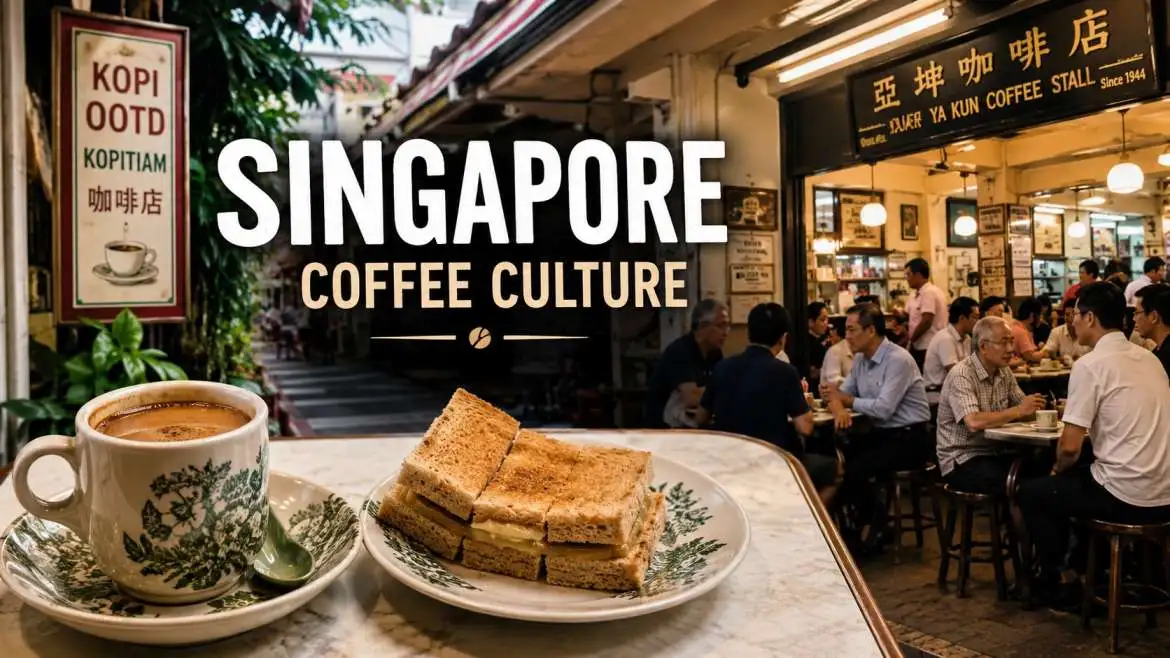
Let’s be real for a second. When you touch down at Changi, jet-lagged and desperate for a hit, you might look for a Starbucks. Don't. You are about to miss the point entirely. Singapore coffee culture isn’t about overpriced caramel frappuccinos. It is a roaring, specific, slightly chaotic ecosystem of $1.20 kopi, third-wave pour-overs, and a luxury brand called Bacha that has everyone scratching their heads. We aren't just drinking caffeine here. We are navigating a social contract.
We are ditching the tourist traps. We are looking at the Kopi Singapore guide that your uncle uses, the rise of the Singapore Coffee Bacha phenomenon, and the local Singapore coffee brand that is quietly beating the international giants. Whether you are a remote worker hunting for Wi-Fi or a foodie chasing the perfect kopi gu you (butter coffee), here are the top coffee spots to check out in Singapore—and the history that makes them tick.
The "Sock" Method: Why Your Kopi Doesn't Taste Like Starbucks
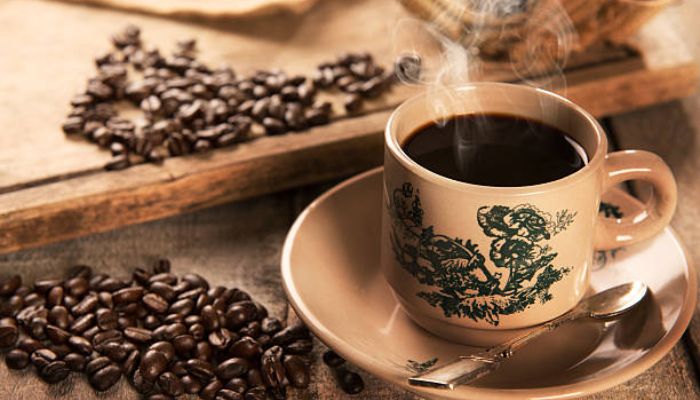
Let’s rewind. Before the high-rises, there was the kopitiam (coffee shop). Think less "artisanal roastery" and more "uncle who has been awake since 4 AM." The process is brutal. The beans are roasted with sugar and margarine. Yes, margarine. That creates a dark, almost burnt caramelization that sticks to your ribs. Then, they grind them fine. Then comes the "sock"—a long, fabric filter that looks exactly like what it sounds like.
Why does this matter for your SEO brain? Because Singapore coffee culture is defined by resistance. We resisted the bland, homogenized Western cup. We liked our coffee aggressive.
The Vocabulary Test (Do you speak Kopi?)
If you walk up and say "black coffee," the aunty will stare at you. Here is your cheat sheet to sounding like a local:
- Kopi O: Black coffee with sugar. No milk. (The "O" means "black" in Hokkien).
- Kopi C: With evaporated milk. Smoother. Less sharp.
- Kopi Siu Dai: Less sugar. "Siu Dai" literally means "less thick." Use this if you don't want diabetes by 40.
- Kopi Gu You: The wild card. Black coffee with a slab of salted butter floating in it. It sounds disgusting. It tastes like the best salted caramel latte you have ever had.
You may also read :- Bubble Tea Singapore 2026: New Flavors & Viral Boba Drinks
The Third Wave Tsunami (Where the Hipsters Hide)
Alright, let's get modern. The old guard is still dominant, but something shifted around 2015. The specialty coffee scene exploded. We aren't talking about burnt socks anymore. We are talking about Ethiopian Yirgacheffe with notes of blueberry and jasmine.
But here is the friction. In Singapore, space is money. You don't get sprawling roasteries. You get a 300-square-foot hole in the wall in a converted shophouse. The rent is $10k a month. So the coffee better be perfect.
Top Coffee Spots to Check Out in Singapore (Specialty Edition)
If you want the new wave, skip the malls. Go here instead:
- Nylon Coffee Roasters (Tiong Bahru): The OG. They roast in-house. They don't do sugar syrups. They will ask you, "How do you like your extraction?" Just nod and say "balanced."
- PPP Coffee (Various locations): Formerly Papa Palheta. They treat coffee like wine. You will learn more about terroir here than you did in high school geography.
- Homeground (Outram): The troublemakers. They do experimental fermentation. Rice wine yeast coffees. Is it coffee or is it kombucha? We don't know. But we are here for it.
The "Kopi Tiam" Hierarchy (Where to find the real stuff)
Stop Googling "Best coffee." Start Googling "Best Kaya toast." Because where the toast is good, the coffee follows.
The Killiney vs. Ya Kun War:
- Killiney Kopitiam: The gritty winner. Thicker coffee. More robust. Less corporate.
- Ya Kun Kaya Toast: The franchised winner. Consistent. Cleaner. Sometimes the coffee tastes a little... watered down? We said it.
Located in a pre-war shophouse on Upper Serangoon Road. This is the temple. They still use the "sock." They still serve Kopi Gu You with a massive pat of butter. If you only visit one place on this top coffee spots to check out in Singapore list, make it this one. It is dirty. It is hot. It is perfect.
Pro Tip: Order the Kopi (regular), the Kaya Toast (crispy with cold butter), and two soft boiled eggs. Dash of white pepper. Dark soy sauce. Dip the toast in the runny yolk. Sip the coffee. You have just eaten a $3 meal that tastes like a $50 brunch.
The Business of Beans (Why a Singapore Coffee Brand is going Global)
Let’s talk money. Specialty coffee is a loss leader. Most cafes lose money on beans to sell you $8 avocado toast.
But one Singapore coffee brand is flipping the script: Common Man Coffee Roasters (CMCR).
They started in Singapore. They now supply beans across Asia. They realized that Singaporeans are hyper-literate about sourcing. We want to know if the farmer in Rwanda got paid fairly. We want the "Washed Process" vs "Natural Process" debate.
Deliveroo vs. The Fresh Cup
Do not order kopi for delivery. I am serious. Coffee in Singapore dies in 90 seconds after pouring because of the humidity. Plastic lid? Condensation? You now have a lukewarm brown water. Singapore coffee culture is a place-based culture. You must stand at the counter. You must listen to the Ching ching of the cash register. You must watch the aunty pour the steaming hot water from a height of three feet to cool it down (the "pulling" technique).
If you are working remote and need a coffee to sit with, go to a Tiong Hoe Specialty Coffee. They have aircon. They have plugs. But they still care about the pour.
The Evolution of Caffeine Etiquette
Don't: Ask for a "Latte" at a traditional kopitiam. They don't have a steam wand. You will get Kopi C. Accept it.
Do: Use the "Chope" system. Put a packet of tissue on the table. That reserves your seat while you queue for coffee. If you move the tissue, a fight starts.
Do: Say "Siew Dai" (less sweet) unless you want to enter a sugar coma.
Don't: Rush the uncle. He is pulling 50 cups an hour. He does not care about your Zoom meeting in 5 minutes.
Conclusion
So, what is Singapore coffee culture? It is a mirror. It shows the duality of this island. On one hand, you have Singapore Coffee Bacha—the gold, the glitz, the global luxury brand that says "we have arrived." On the other hand, you have the plastic stool, the cracked tile floor, and the $1.20 Kopi O that has fueled the nation since 1965. We don't have to choose. You can drink the butter coffee at Heap Seng Leong at 7 AM and the Single Origin Geisha at Bacha at 4 PM. That isn't hypocrisy. That is depth.
Now go. Hunt down those top coffee spots to check out in Singapore. Memorize the Kopi Singapore guide vocabulary we gave you. And for god's sake, put the tissue down on the table before you queue.
FAQ
Q: What is the most popular coffee in Singapore?
A: Kopi C (with evaporated milk) and Kopi O (black with sugar) are the most popular daily drinks. The "Sock" brewing method defines the taste.
Q: Is Bacha Coffee worth the hype?
A: Yes for the experience and gift tins; no for a daily caffeine fix. It is a luxury product, not a local staple. You pay for the ambiance.
Q: Where do locals drink coffee in Singapore?
A: At HDB kopitiams (housing block coffee shops). Specifically, Heap Seng Leong, Killiney, or any stall with a long queue of uncles reading newspapers.
Q: What is the difference between Kopi and regular coffee?
A: Kopi is roasted with margarine and sugar, then pulled through a cloth "sock" filter. Western coffee is air-roasted and paper-filtered. Kopi is thicker and more caramelized.
Q: What is a "Singapore Coffee Brand" to buy as a souvenir?
A: Look for Nanyang Kopi (ground kopi beans) or Common Man Coffee Roasters for specialty beans. Bacha tins are the prettiest souvenir but the least authentic.
Q: How do I order less sugar in Singapore coffee?
A: Say "Kopi Siew Dai." For no sugar, say "Kopi Kosong." Do not just say "no sugar." They won't understand you without the local terms.